Precision aluminum casting is explained in this comprehensive guide for modern manufacturing.
Why Aluminum Foundries Are Necessary To the Growing Electric Automobile Market
Light weight aluminum factories play a pivotal function in the electrical car industry by supplying durable and lightweight elements. These materials add significantly to lorry performance and effectiveness. The ingenious spreading methods used by shops enable detailed designs that improve both the rules of aerodynamics and thermal management. As sustainability becomes a concern, the change to recycled aluminum and energy-efficient approaches increases important questions about the future landscape of EV production and its ecological impact.
The Function of Light Weight Aluminum in Electric Lorry Layout
As electrical car suppliers seek to enhance performance and efficiency, aluminum has become an essential product in vehicle style. Its lightweight nature adds considerably to the overall reduction of car mass, which is crucial for enhancing battery efficiency and prolonging array. Light weight aluminum is likewise extremely flexible, permitting intricate layouts that enhance the rules of aerodynamics and aesthetic allure. Its exceptional rust resistance assurances durability, lowering the demand for upkeep gradually. Furthermore, aluminum's thermal conductivity help in efficient warm administration systems, vital for electric drivetrains and battery longevity. These qualities make light weight aluminum a recommended option for numerous parts, including chassis, body panels, and battery units. As the market progresses, light weight aluminum foundries play a crucial function in providing high-quality materials tailored for innovative production procedures, consequently supporting the ongoing innovation in electric car innovation. This harmony between light weight aluminum and electrical vehicle layout highlights the product's important position in contemporary automobile design.
Advantages of Lightweight Products for EV Efficiency
Weight reduction is a critical variable in improving electric lorry (EV) performance. Lighter materials, such as light weight aluminum, play a considerable function in this situation by boosting effectiveness and prolonging the lorry's array. When an EV weighs less, it needs less energy to preserve and speed up speed, consequently maximizing battery usage. This efficiency not just enhances performance yet additionally adds to quicker billing times and reduced power intake.
Light-weight products enhance dealing with and responsiveness, making the driving experience much more satisfying. They additionally allow developers to produce more aerodynamic forms, further reducing drag and boosting overall effectiveness. In addition, the use of lightweight materials can lead to lower production costs and boosted sustainability, as they commonly require much less energy to produce. Eventually, including light-weight materials in EV layout is necessary for accomplishing the performance goals necessary to compete in an increasingly requiring automobile market.
Innovations in Light Weight Aluminum Casting Techniques
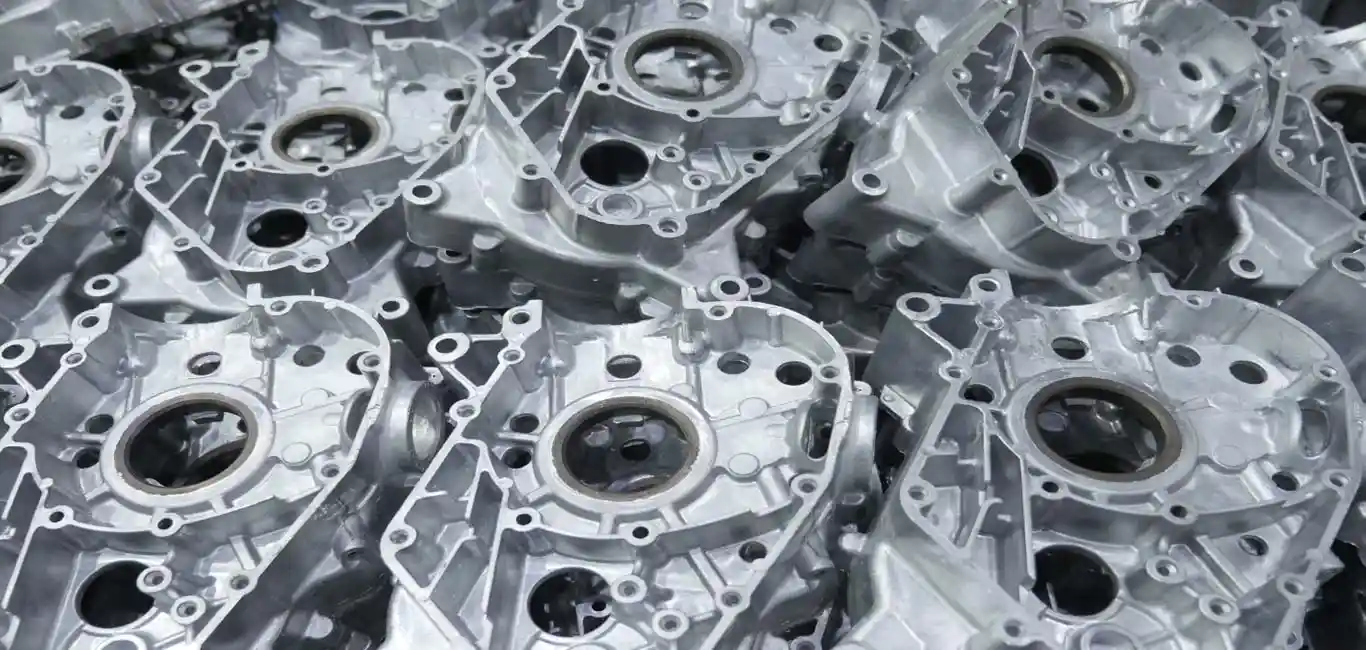
Recent developments in light weight aluminum spreading strategies are changing the production process for electric car elements. Innovations such as high-pressure die spreading and steel shot molding make it possible for the production of complex geometries with improved strength and decreased weight. These methods permit tighter tolerances and improved surface coatings, which are crucial for EV performance and aesthetic appeals.
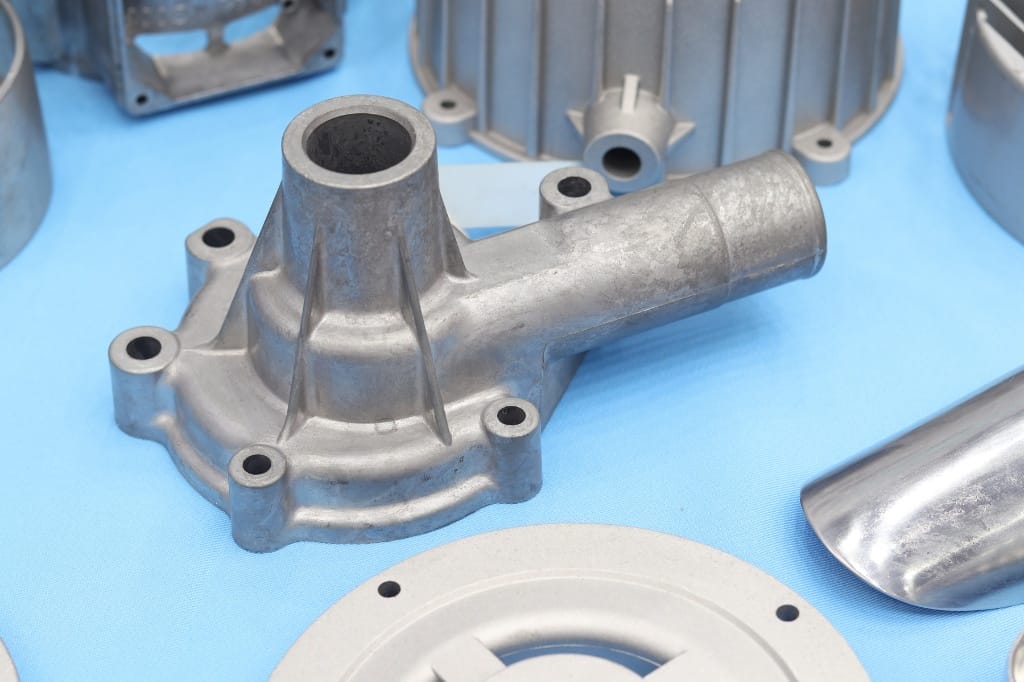
These innovations not only sustain the requirement for light-weight components but likewise boost the total sturdiness and safety and security of electrical cars. As the sector continues to evolve, these advancements in light weight aluminum spreading are established to play a pivotal duty in fulfilling the demands of modern automobile design and manufacturing.
Sustainability and the Future of Light Weight Aluminum Foundries
While the demand for electric lorries surges, light weight aluminum foundries face journalism obstacle of adopting lasting techniques to lower their environmental impact. The industry is increasingly looked at for its energy-intensive procedures and carbon emissions. To address these problems, factories are discovering ingenious approaches such as using recycled light weight aluminum, which needs substantially much less energy than generating brand-new aluminum from ore. Additionally, the assimilation of eco-friendly power sources, like solar and wind, is coming to be a lot more common in aluminum production.
Investments in sophisticated modern technologies, such as electric heating systems and energy-efficient casting strategies, additionally play a crucial role in improving sustainability. Partnership with automobile producers can assure that the whole supply chain focuses on ecological obligation. As the electric lorry market remains to grow, aluminum shops that accept these lasting practices will not just fulfill regulative demands yet additionally position themselves as leaders in an increasingly eco-conscious sector.
Case Studies: Effective Applications of Light Weight Aluminum in EVs
As electrical vehicle suppliers seek to boost efficiency and efficiency, the calculated use aluminum has actually become this a vital consider effective lorry layout. Significant study illustrate this fad. For circumstances, Tesla's Model S makes use of aluminum thoroughly in its framework and body, substantially lowering weight while maintaining architectural integrity. This option not just enhances velocity and array but additionally improves security attributes.
Likewise, Ford's F-150 Lightning incorporates light weight aluminum to achieve a lower total weight, permitting enhanced payload capability and far better energy performance. The automobile's light weight aluminum body panels and structure contribute to a robust yet light-weight framework, assisting in better efficiency
Additionally, Audi's e-tron showcases light weight aluminum's versatility, using it in both the lorry's body and battery housing, boosting thermal management and resilience. These examples demonstrate how aluminum's one-of-a-kind homes are being leveraged throughout the electric car industry, setting benchmarks for development and sustainability.
Frequently Asked Questions
What Types of Light Weight Aluminum Alloys Are Frequently Used in EV Production?
Frequently utilized site aluminum alloys in electrical automobile manufacturing include 6061, 7005, and 2024. These alloys supply a combination of strength, light-weight properties, and rust resistance, making them excellent for numerous parts within electric cars.
Exactly How Do Aluminum Foundries Effect Resident Economies?
Aluminum factories greatly boost regional economic climates by producing tasks, promoting relevant industries, and drawing in financial investments - Aluminum Casting Company. Their operations bring about raised demand for services and materials, cultivating development and security within the surrounding neighborhoods
What Are the Safety Considerations of Utilizing Light Weight Aluminum in EVS?
Safety and security considerations of utilizing aluminum in electrical vehicles include its flammability, structural stability under influence, and possibility for deterioration. Proper alloy selection and therapy procedures are essential to guarantee performance and safety and security during lorry procedure.
Just How Does Light Weight Aluminum Recycling Affect the Sector?
Light weight aluminum reusing substantially profits the sector by reducing manufacturing prices, minimizing ecological impact, and conserving power. This sustainable technique improves resource efficiency, supporting the development of electrical cars and promoting a circular economy within the automotive market.
What Are the Labor Requirements for Light Weight Aluminum Foundries in EV Production?
Labor demands for light weight aluminum shops in electrical lorry manufacturing consist of skilled specialists for casting, designers for style and optimization, and security personnel. Additionally, training in reusing procedures enhances efficiency and sustainability in the manufacturing chain.
Aluminum foundries play a pivotal function in the electric automobile market by providing durable and lightweight components. As electric car suppliers look for to enhance efficiency and efficiency, light weight aluminum has actually emerged as a crucial material in car layout. As the industry evolves, aluminum factories play a pivotal duty in providing top quality products customized for innovative production procedures, therefore supporting the recurring innovation in electrical vehicle innovation - Precision aluminum casting. To attend to these issues, foundries are exploring ingenious approaches such as utilizing recycled light weight aluminum, which needs significantly less energy than other producing brand-new aluminum from ore. As electrical lorry makers seek to boost performance and efficiency, the strategic use of aluminum has actually emerged as a vital aspect in effective lorry design